

Catering Aqiqah Terdekat: Membawa Tradisi Islami Menuju Kemudahan dan Kenyamanan
Ibadah aqiqah, sebagai bagian penting dalam praktik agama Islam, melambangkan rasa syukur atas kelahiran seorang anak. Upacara aqiqah juga berfungsi sebagai bentuk ibadah yang dilakukan sesuai dengan ajaran agama. Dalam menghadirkan perayaan dan pelaksanaan aqiqah, memilih layanan catering aqiqah terdekat merupakan keputusan cerdas bagi para orang tua yang menginginkan segala aspek acara berjalan lancar, berarti, dan sesuai dengan nilai-nilai Islam. Dapur Aqiqah, sebagai penyedia jasa catering aqiqah di Bandung, menjunjung tinggi komitmen untuk menyajikan pengalaman aqiqah yang tak terlupakan, sejalan dengan tuntunan agama.
Mengapa Memilih Catering Aqiqah Terdekat?
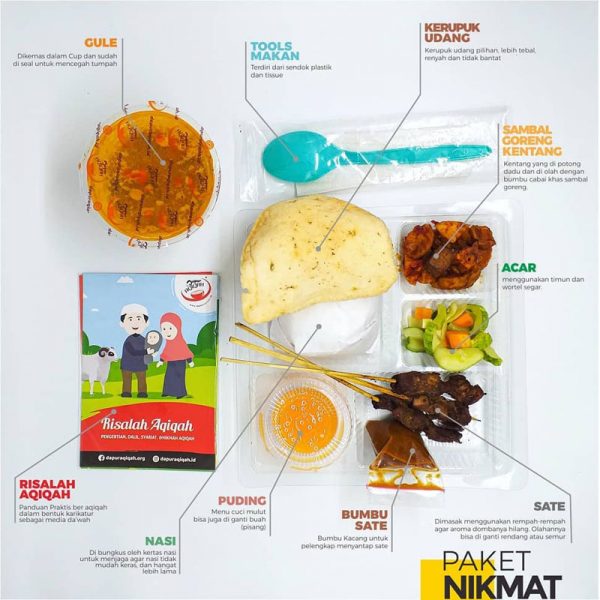
Dalam era modern ini, semakin banyak keluarga yang memilih untuk mengandalkan jasa catering aqiqah daripada mengurus seluruh persiapan secara mandiri. Pendekatan ini tidak hanya menghemat waktu dan energi, tetapi juga memastikan bahwa setiap aspek aqiqah – dari perencanaan hingga pelaksanaan – dijalankan dengan baik dan sesuai dengan norma-norma agama. Dapur Aqiqah sebagai penyedia layanan catering aqiqah terdekat hadir untuk membantu keluarga merayakan momen spesial ini dengan kenangan berharga yang akan dikenang.
Kemudahan dalam Pemesanan dan Pelaksanaan
Dapur Aqiqah memahami pentingnya kenyamanan pelanggan. Oleh karena itu, proses pemesanan dapat dilakukan secara daring, tanpa perlu meninggalkan rumah. Dalam platform daring mereka, Anda dapat memilih dari beragam paket aqiqah yang sesuai dengan kebutuhan dan anggaran keluarga Anda. Selain itu, Dapur Aqiqah juga menyediakan opsi pembayaran tunai saat barang tiba (COD), yang memberi fleksibilitas kepada pelanggan untuk membayar saat pesanan sampai.
Kualitas Domba Aqiqah Terjamin
Salah satu aspek krusial dalam memilih catering aqiqah adalah memastikan kualitas domba yang disediakan. Dapur Aqiqah memastikan bahwa setiap domba yang disajikan telah memenuhi standar-standar aqiqah yang ditetapkan oleh agama, termasuk dalam hal usia, kesehatan, dan ketidakcacatan. Dengan demikian, pelanggan dapat memiliki keyakinan bahwa setiap produk yang mereka terima telah sesuai dengan tuntunan Islam.
Kelezatan Hidangan dan Beragam Pilihan Menu
Tak hanya memastikan kualitas domba yang terjamin, kelezatan hidangan juga menjadi faktor yang tak boleh diabaikan. Dapur Aqiqah memiliki tim koki berpengalaman yang mengolah setiap hidangan dengan keahlian dan dedikasi tinggi. Setiap hidangan yang disajikan dalam acara aqiqah menjamin rasa lezat dan menggugah selera. Terdapat berbagai opsi menu yang dapat dipilih, mulai dari paket domba hidup, daging siap masak, hingga paket nasi dus sebagai pelengkap hidangan.
Bonus dan Layanan Tambahan yang Menarik
Dapur Aqiqah memberikan nilai tambah kepada pelanggan melalui bonus dan layanan tambahan yang menarik. Setiap pesanan aqiqah dilengkapi dengan berbagai bonus, seperti sertifikat aqiqah, souvenir menarik, uji coba makanan gratis, biaya penyembelihan dan masak gratis, serta ongkos kirim yang tak perlu dikhawatirkan. Bonus ini merupakan bentuk apresiasi dari Dapur Aqiqah kepada pelanggan yang telah memilih layanan mereka untuk memperingati momen berharga ini.
Harga Terjangkau Tanpa Mengurangi Kualitas
Aspek harga adalah salah satu pertimbangan utama dalam memilih catering aqiqah. Dapur Aqiqah memahami hal ini dan menawarkan paket aqiqah dengan harga yang terjangkau tanpa mengurangi kualitas produk dan layanan. Pelanggan dapat memilih paket sesuai dengan anggaran mereka, sehingga perayaan aqiqah dapat dijalankan tanpa stres akan biaya yang tinggi.
Pelayanan Prima dari Tim Profesional
Tim yang berpengalaman, ramah, dan profesional adalah salah satu keunggulan utama Dapur Aqiqah. Tim ini siap memberikan pelayanan terbaik kepada pelanggan, dari awal proses pemesanan hingga pelaksanaan aqiqah. Mereka dengan senang hati menjawab pertanyaan, memberikan informasi yang diperlukan, dan mendampingi keluarga dalam menyelenggarakan aqiqah dengan lancar dan penuh kehangatan.
Mengapa Memilih Catering Aqiqah Terdekat?
Dapur Aqiqah, sebagai penyedia layanan catering aqiqah Bandung, berkomitmen untuk menghadirkan pengalaman aqiqah yang penuh makna dan tak terlupakan. Memilih catering aqiqah terdekat bukan hanya tentang kemudahan, tetapi juga tentang memastikan tradisi Islami dilaksanakan dengan benar dan penuh syukur. Dengan beragam pilihan paket, kualitas domba yang dijamin, hidangan lezat, dan pelayanan terbaik, Dapur Aqiqah adalah mitra ideal untuk merayakan momen aqiqah Anda.

Catering aqiqah terdekat, seperti yang dipersembahkan oleh Dapur Aqiqah, hadir untuk mempermudah keluarga dalam menyelenggarakan aqiqah dengan kandungan makna dan rasa khidmat. Dengan pilihan paket yang beragam, kualitas terjamin, hidangan lezat, dan pelayanan terbaik, Dapur Aqiqah adalah solusi optimal bagi keluarga yang ingin mengadakan perayaan aqiqah dengan cara yang Islami dan berkesan. Memilih catering aqiqah terdekat adalah langkah bijak untuk menghormati nilai-nilai agama dalam setiap perayaan aqiqah yang

